
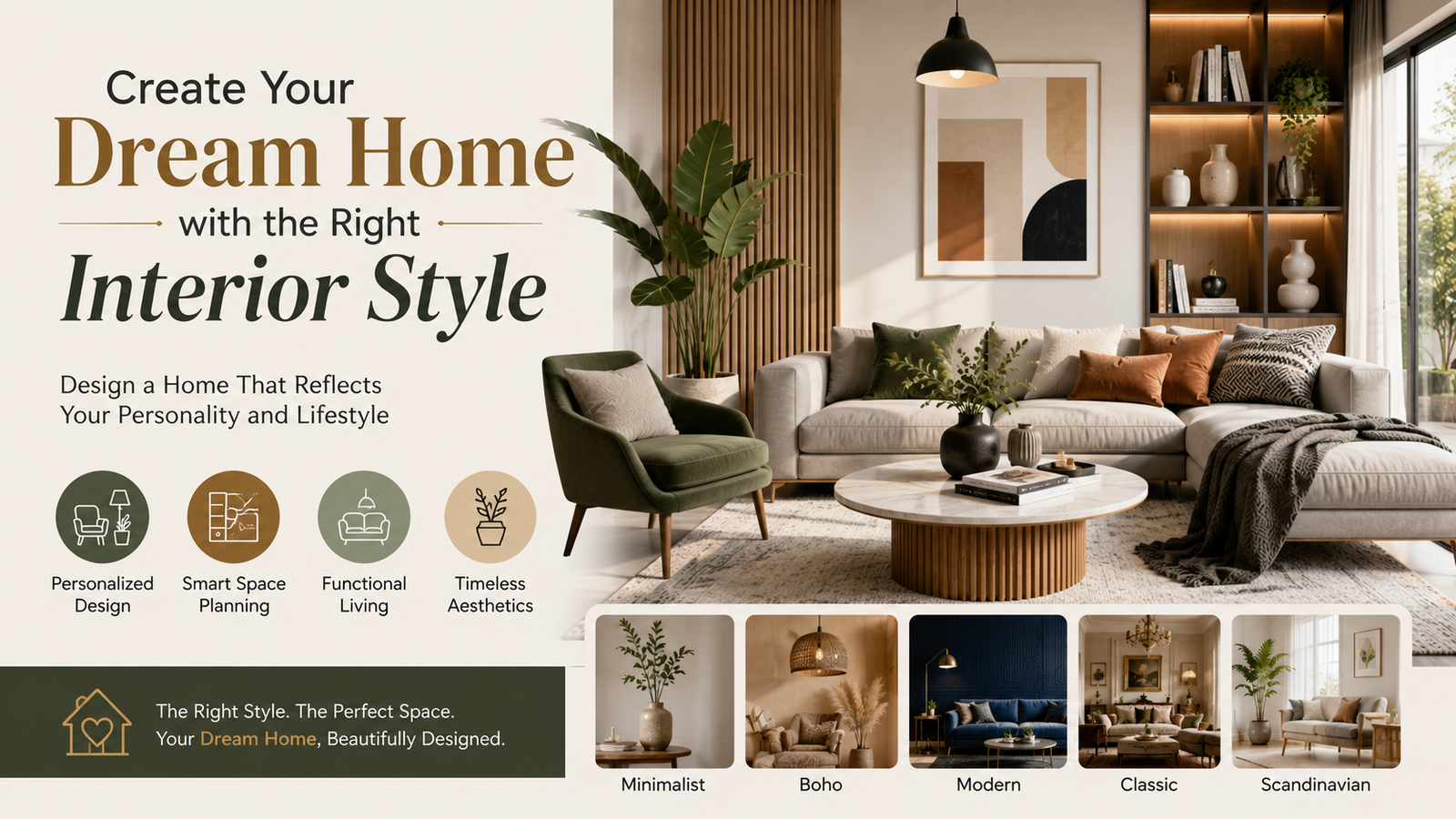
Choosing an interior design style for your home can feel overwhelming with so many beautiful options available.
From modern and minimalist to traditional and Scandinavian, every style has its own character.
The key is to choose a style that not only looks beautiful but also reflects your personality, lifestyle, and everyday needs.
1. Understand Your Personal Taste
Start by identifying what you naturally like. Look through interior design photos, magazines, websites, and social media to find spaces that catch your attention.
Notice the colours, furniture, textures, patterns, and architectural details you repeatedly prefer.
Creating a mood board can help you identify common elements and make your preferred design direction clearer.
2. Consider Your Lifestyle
Your home should work for the way you live. If you prefer a clean and uncluttered environment, a minimalist or contemporary style may suit you.
If you enjoy warmth, traditional furniture, and decorative details, a classic or traditional style could be a better choice.
Families with children or pets should also consider durable, easy-to-maintain materials when selecting their design style.
3. Look at Your Existing Space
The architecture and size of your home can influence which interior style works best.
Consider ceiling height, natural light, room dimensions, flooring, windows, and existing architectural features.
For example, a compact apartment may benefit from minimalist or contemporary interiors that create a sense of openness, while a larger home may provide more flexibility for traditional or luxurious designs.
4. Choose a color Palette
colors play an important role in defining an interior style.
Modern interiors often work well with neutral shades, while traditional spaces may feature richer and warmer colors.
Choose a base colour and complement it with secondary shades and accent colors.
Keeping a consistent palette throughout your home can create a more cohesive and sophisticated look.
5. Balance Functionality and Aesthetics
A stylish home should also be comfortable and practical.
Think about furniture placement, storage, lighting, movement, and maintenance before finalizing your design.
Avoid choosing a style simply because it is trending. Instead, select elements that support your lifestyle and will continue to work for you over time.
6. Don’t Be Afraid to Mix Styles
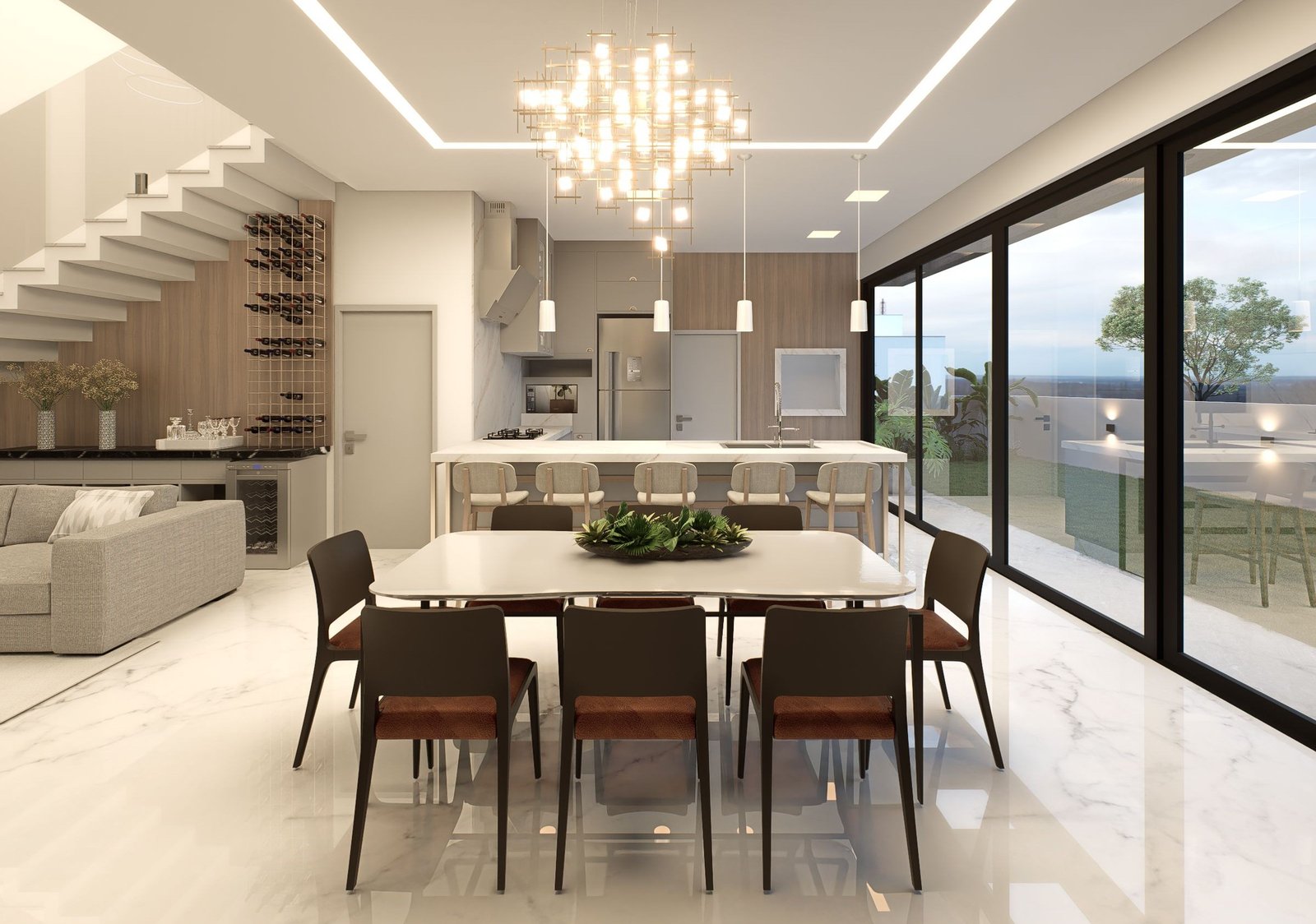
You do not have to follow one design style strictly. Combining complementary styles can create a unique and personalized interior.
For example, modern furniture can be paired with traditional artwork, or minimalist spaces can be warmed up with natural textures and wooden elements.
The key is to maintain balance through consistent colors, materials, and proportions.
Conclusion
Choosing the right interior design style is about creating a home that feels like you.
Start with your personal preferences, consider your lifestyle and space, establish a color palette, and prioritize functionality.
With thoughtful planning, you can create an interior that is beautiful, comfortable, practical, and timeless rather than simply following the latest trend.
Frequently Asked Questions
1. What is the most popular interior design style?
Modern, contemporary, minimalist, and transitional styles are popular choices because they combine clean aesthetics with practical functionality.
2. How do I know which interior style suits me?
Start by collecting images of interiors you love.
Look for repeated patterns in colors, furniture, materials, and layouts. These preferences can help reveal your ideal design style.
3. Can I combine two interior design styles?
Yes.
Combining complementary styles can make your home more personal and visually interesting. Focus on maintaining consistency in colors, materials, and proportions.
4. Should my entire home have the same design style?
Not necessarily.
Different rooms can have their own character, but using a consistent color palette or material selection can help the entire home feel connected.
5. Should I choose a trendy interior design style?
Trends can provide inspiration, but your home’s design should primarily reflect your lifestyle and personal taste.
Incorporating timeless elements can help your interiors remain appealing for years.
6. Can an interior designer help me choose a style?
Yes. An interior designer can understand your preferences, lifestyle, space, and budget and help you develop a cohesive design direction for your home.