
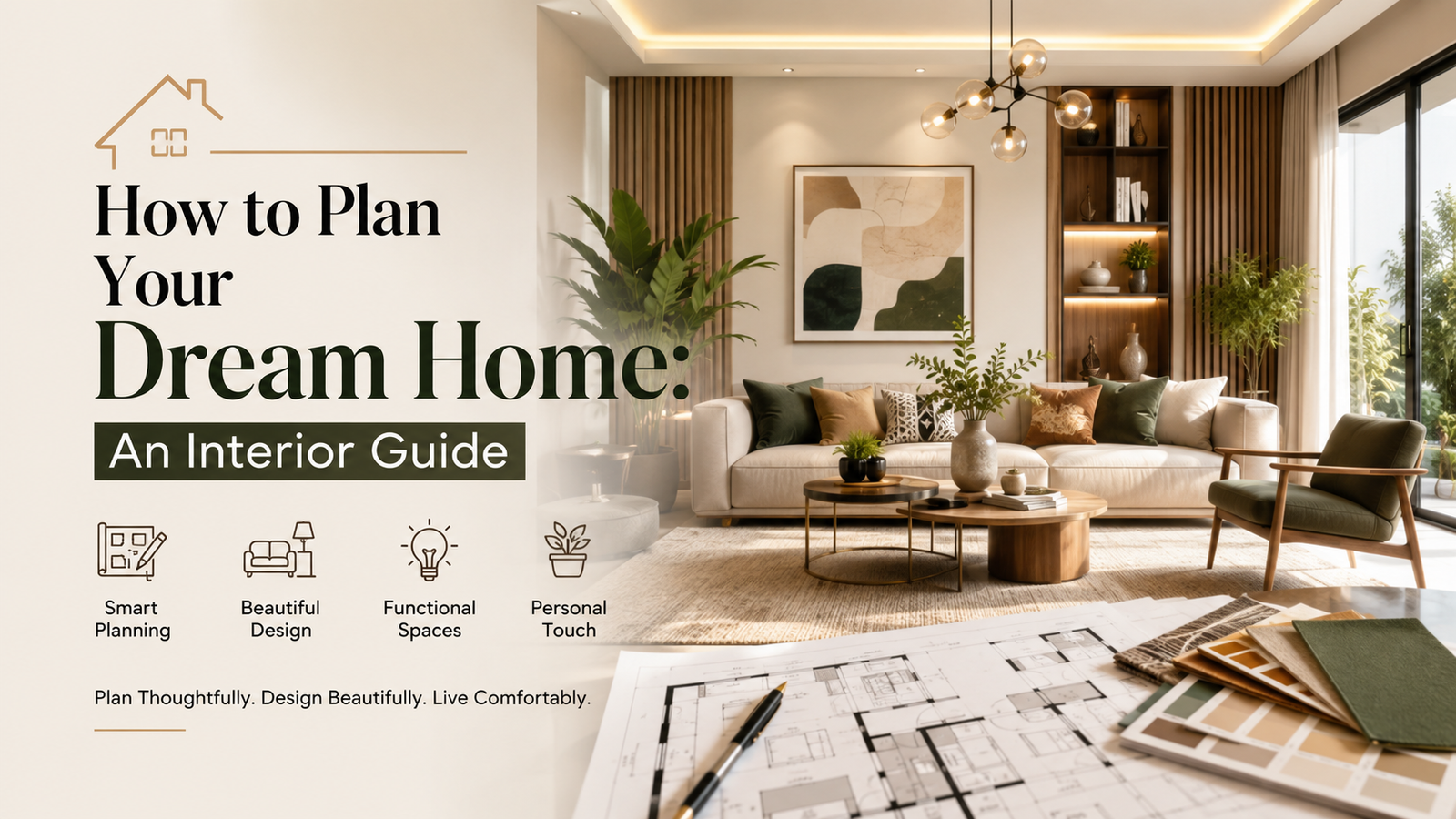
Your dream home is more than just a beautiful space- it should reflect your personality, lifestyle, comfort, and everyday needs. Whether you are building a new home or renovating an existing one, thoughtful interior planning can help you create a space that is both functional and visually appealing.
Here is a simple guide to help you plan your dream home with confidence.
1. Understand Your Lifestyle and Needs
Start by thinking about how you actually use your home. Consider your daily routine, family size, hobbies, work requirements, storage needs, and future plans.
A family with children may need more storage and durable materials, while someone working from home may prioritize a comfortable and well-designed home office.
Understanding your lifestyle first will help ensure that your interiors are practical rather than simply attractive.
2. Set a Realistic Budget
Before selecting furniture, materials, or finishes, establish a clear interior design budget. Divide your budget across major areas such as flooring, furniture, lighting, kitchen, wardrobes, decor, and labour.
It is also wise to keep an additional amount aside for unexpected expenses.
A realistic budget allows you to make better design decisions without compromising important requirements.
3. Choose Your Interior Design Style
Your home should feel personal. Explore different styles such as modern, contemporary, minimalist, traditional, Scandinavian, industrial, or transitional.
Create a mood board with your preferred colors, textures, furniture styles, lighting ideas, and materials.
This will help you maintain a consistent visual direction throughout your home.
4. Plan the Layout Before Buying
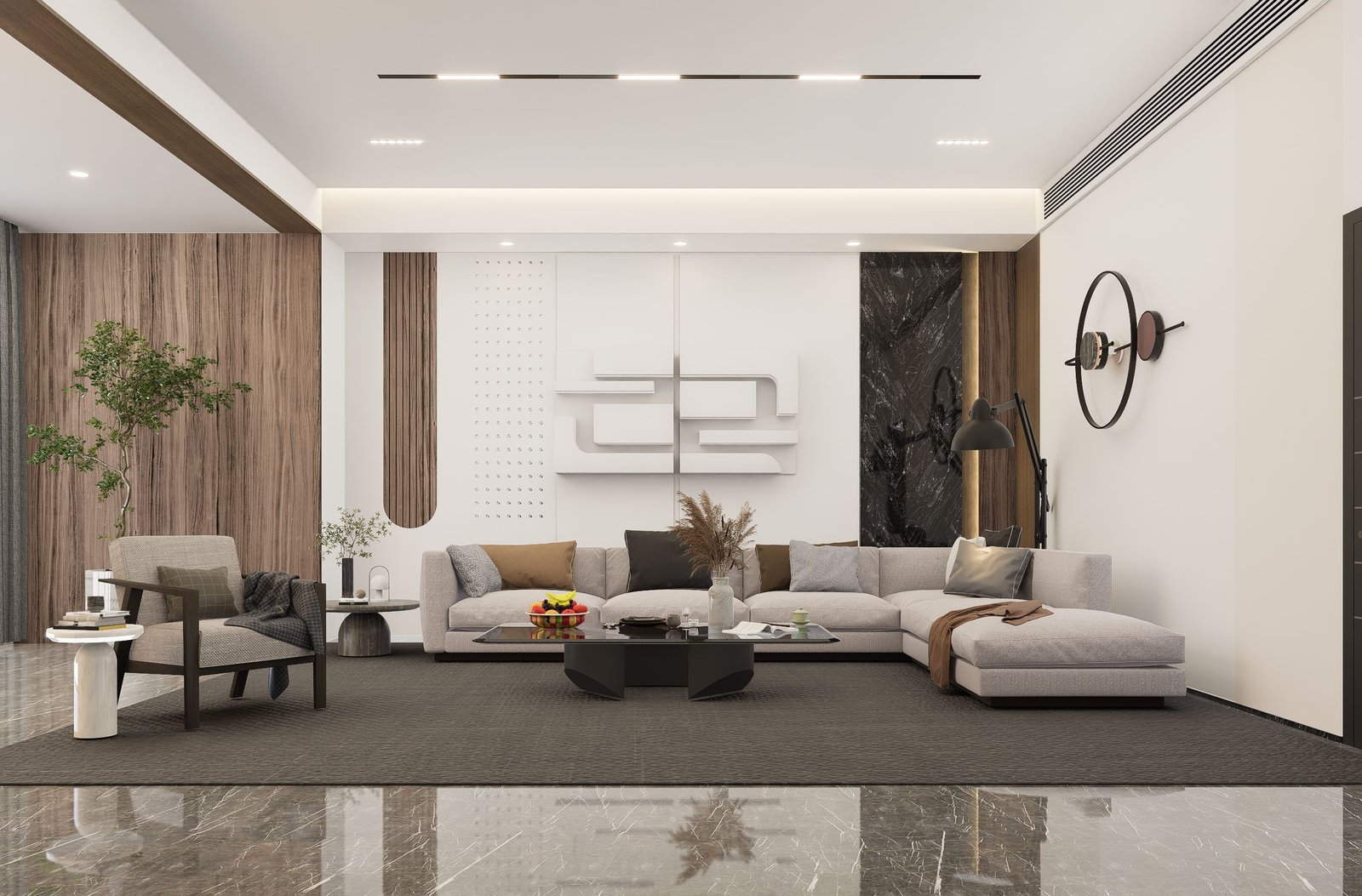
A beautiful room can still feel uncomfortable if the layout is poorly planned.
Think about movement, furniture placement, natural light, ventilation, and the relationship between different spaces.
Plan the placement of large furniture pieces, storage units, kitchen elements, and electrical points before purchasing anything.
Good space planning can make even a compact home feel more open and organized.
5. Select Colors, Materials and Lighting
Choose a color palette that complements your overall design style.
Neutral shades can create a timeless foundation, while accent colors can add personality.
Materials should be selected based on both appearance and durability.
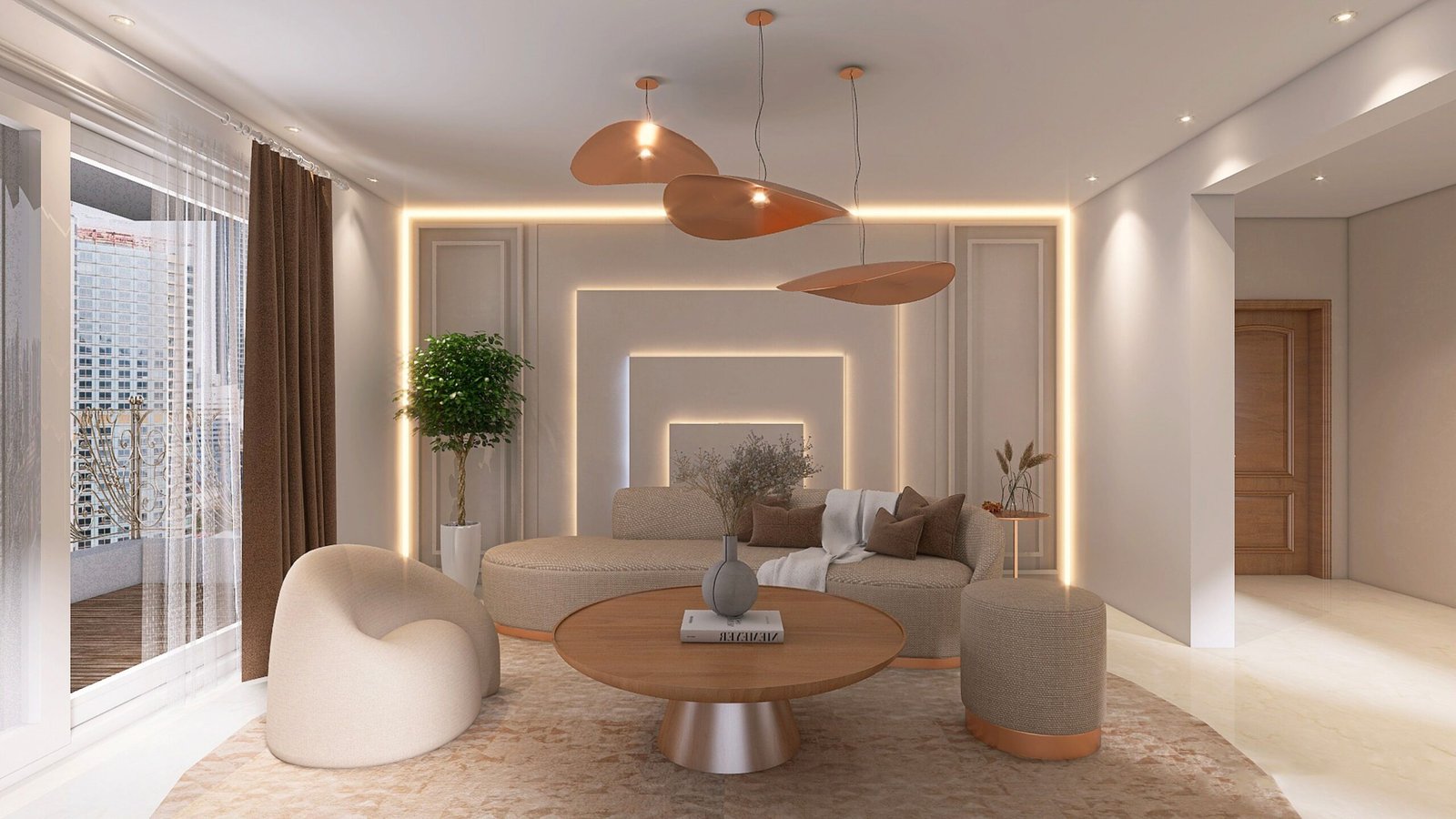
Lighting also plays an important role. Combine ambient, task, and accent lighting to create a comfortable and layered atmosphere.
6. Prioritize Storage and Functionality
Good storage is essential for maintaining a clean and organized home.
Consider wardrobes, modular cabinets, built-in shelves, concealed storage, and multi-functional furniture.
The best interiors balance aesthetics with functionality, ensuring that everyday items have a designated place.
7. Add Personal Touches
Finally, make the space your own. Artwork, photographs, plants, rugs, cushions, accessories, and meaningful decor can give your home character.
Avoid following every trend. Instead, choose elements that you genuinely love and that will continue to feel relevant over time.
Conclusion
Planning your dream home requires more than choosing beautiful furniture and colors.
It involves understanding your lifestyle, setting a realistic budget, creating a functional layout, selecting suitable materials, and adding personal details.
With thoughtful planning and the right interior design approach, you can create a home that looks beautiful, feels comfortable, and works perfectly for your everyday life.
Frequently Asked Questions
1. When should I start planning my home interiors?
Ideally, start planning your interiors during the early stages of construction or renovation.
Early planning allows you to coordinate layouts, electrical points, lighting, storage, and furniture more effectively.
2. How much should I budget for interior design?
The budget depends on your home’s size, materials, finishes, furniture requirements, and level of customization.
It is best to establish your priorities first and then create a detailed budget around them.
3. How do I choose the right interior design style?
Look at different interior styles and identify colors, materials, furniture, and layouts that you naturally prefer.
Creating a mood board can make the selection process easier.
4. Should functionality or aesthetics come first?
Both are important, but functionality should form the foundation.
A beautiful home should also be comfortable, practical, easy to maintain, and suited to your lifestyle.
5. Do I need an interior designer for my dream home?
An interior designer can help with space planning, material selection, budgeting, lighting, furniture, and overall design coordination.
Professional guidance can also help avoid costly design mistakes.